
Research
We combine brain imaging, computational modelling and artificial intelligence to understand how pain is perceived and modulated.
Computational models of pain learning and decision-making
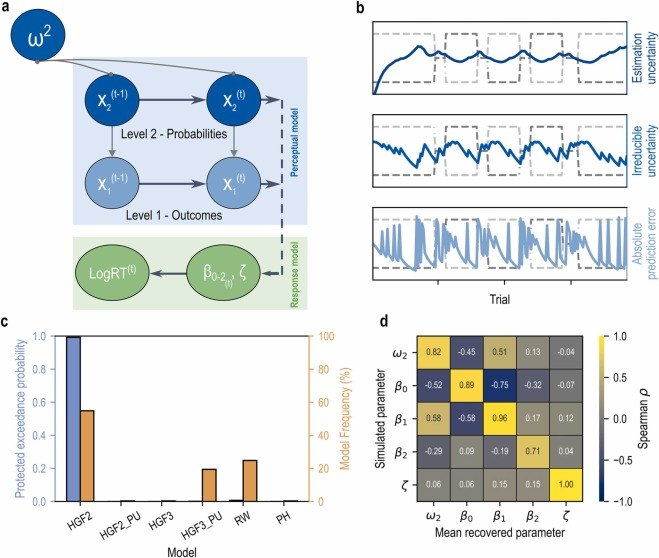
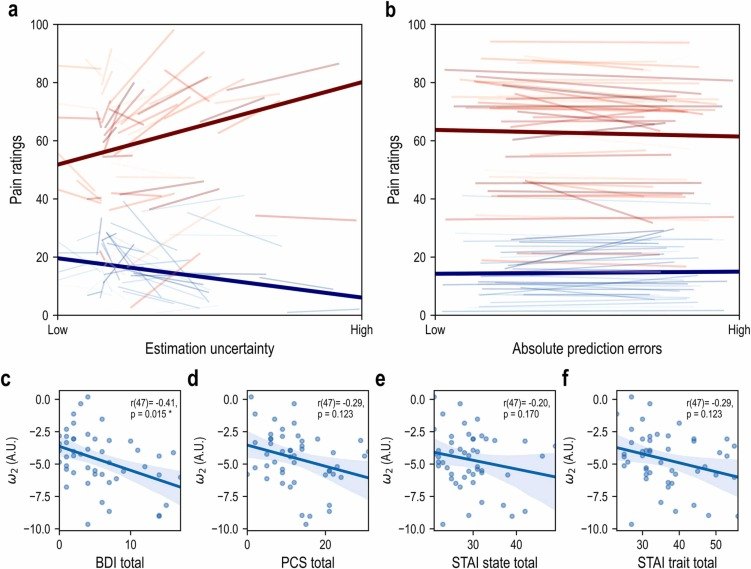
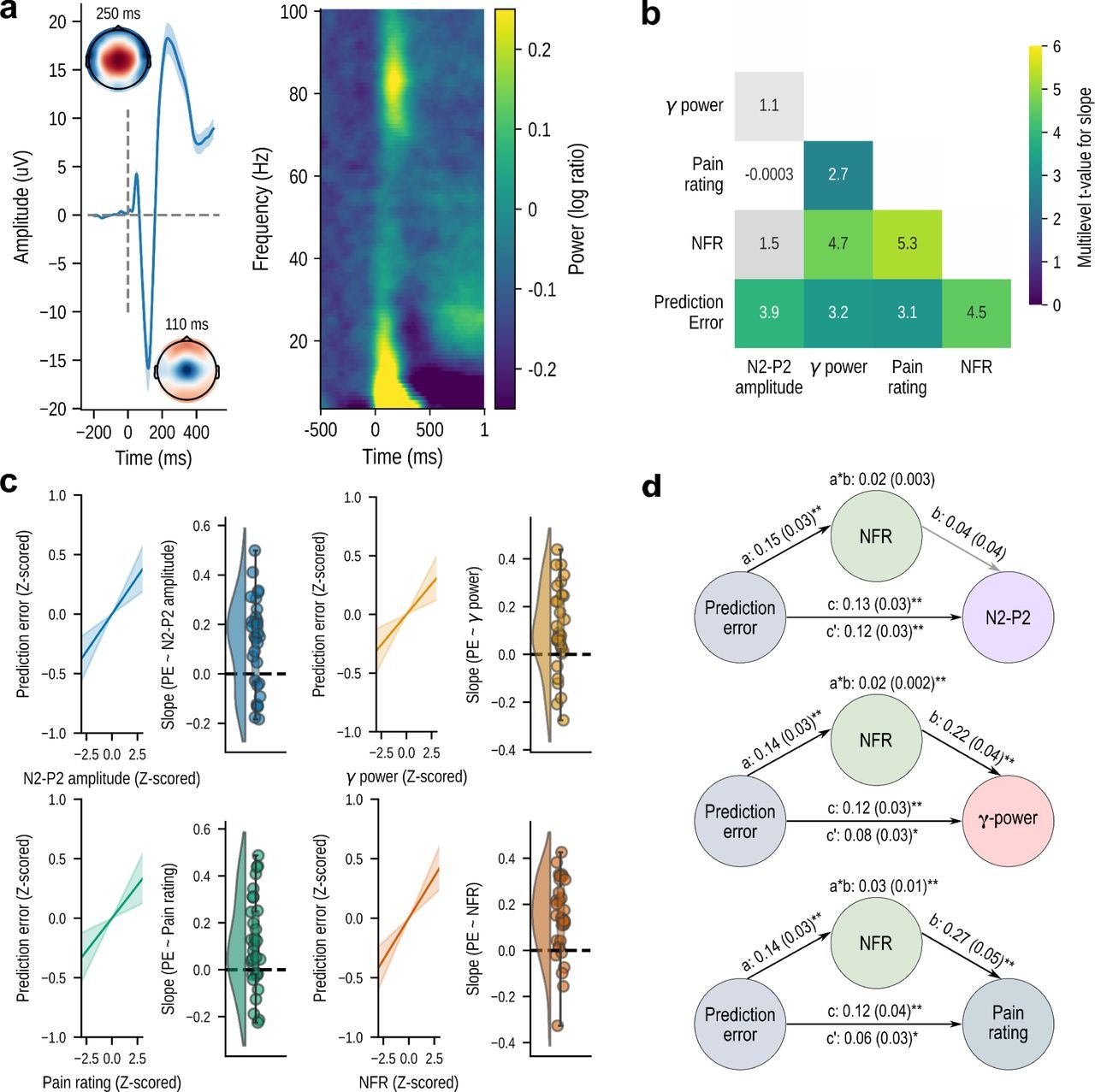
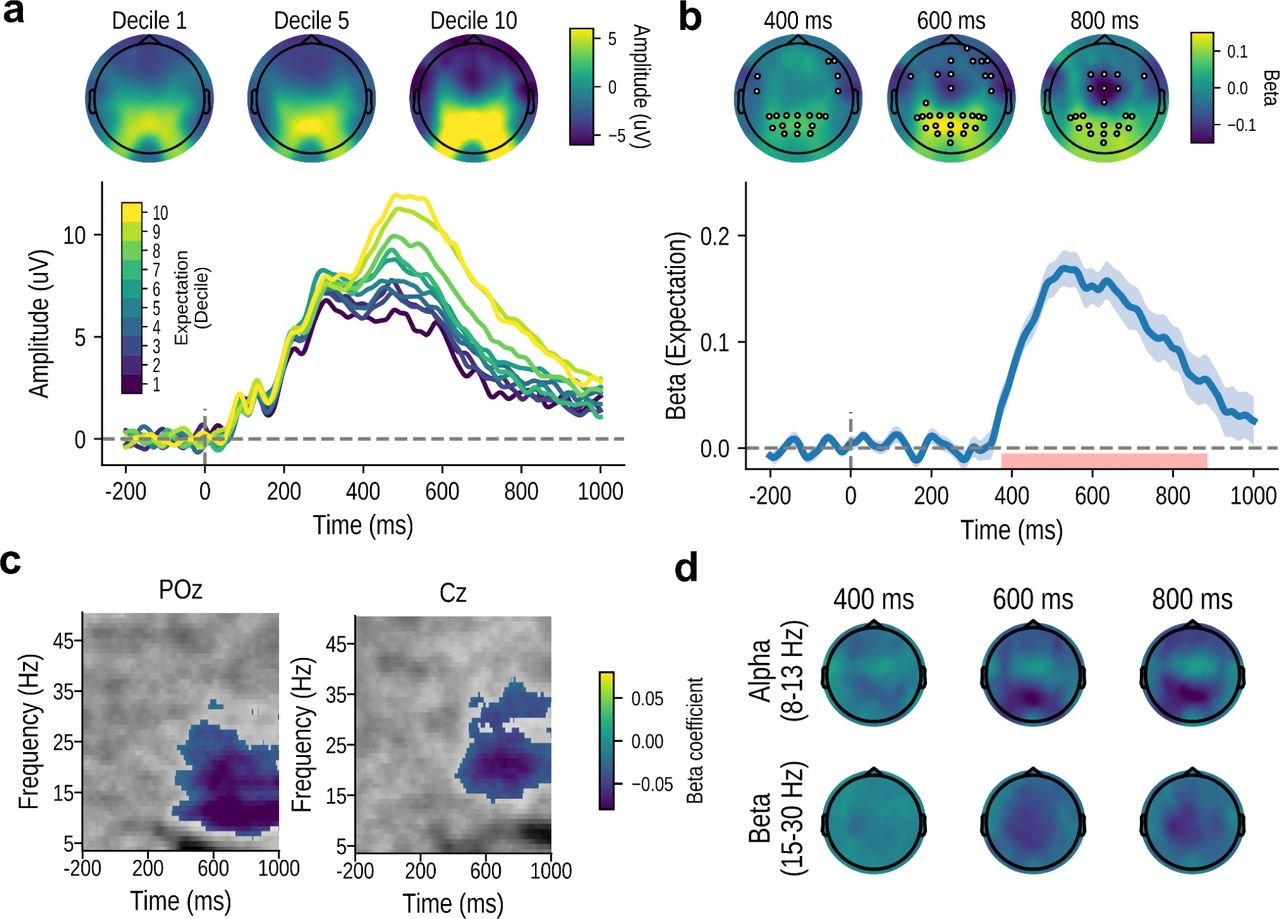
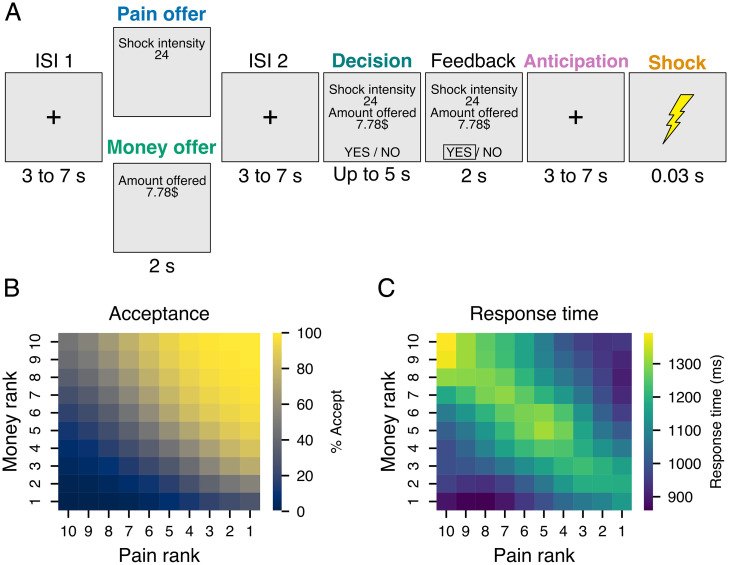
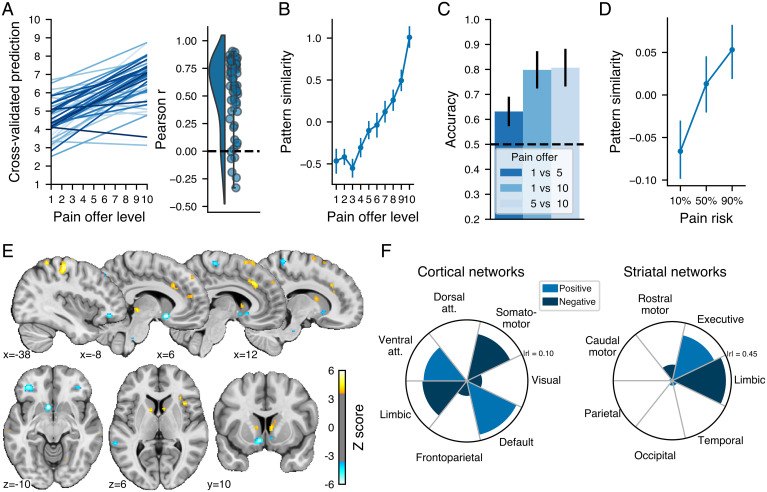
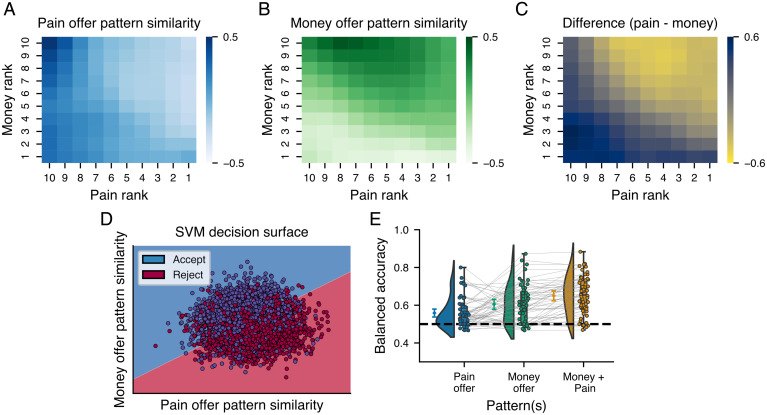
This theoretical research axis aims to identify coherent computational and neural architectures that can explain and predict pain perception and pain avoidance.
Related work
- 2025
- 2024
- 2022
Neural oscillations and biomarkers of pain
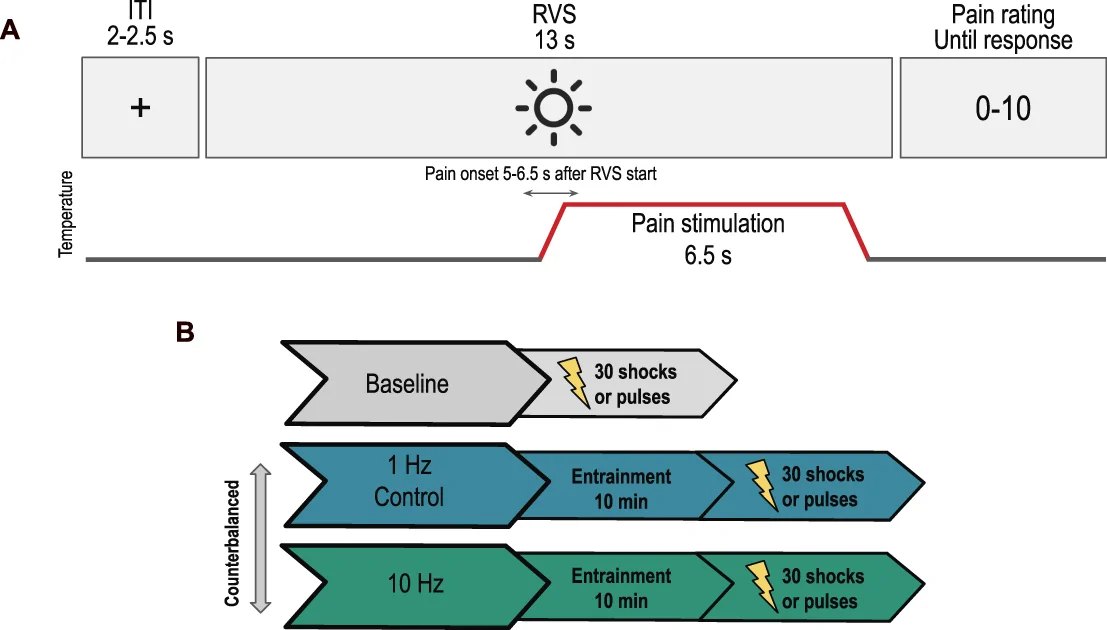
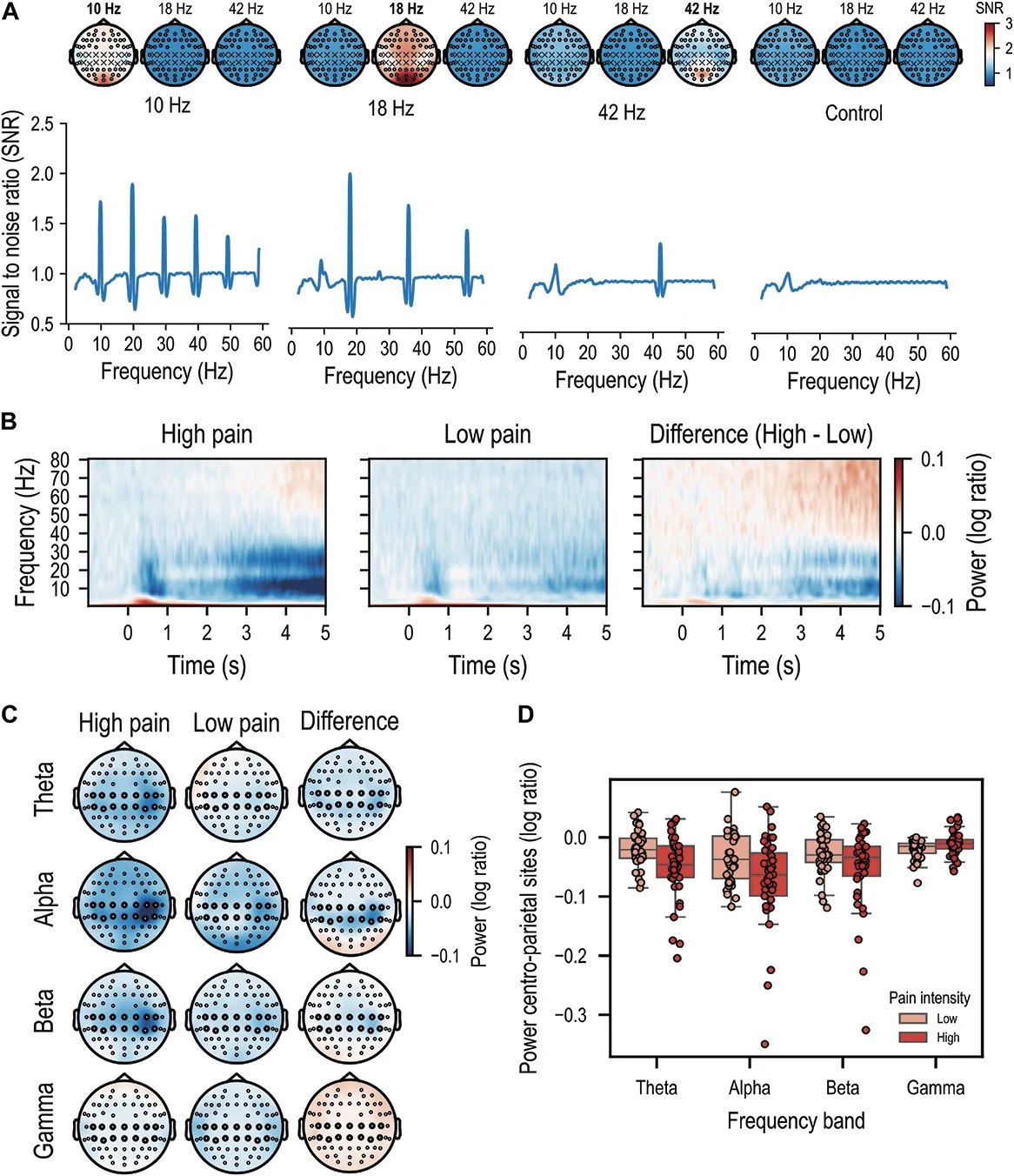
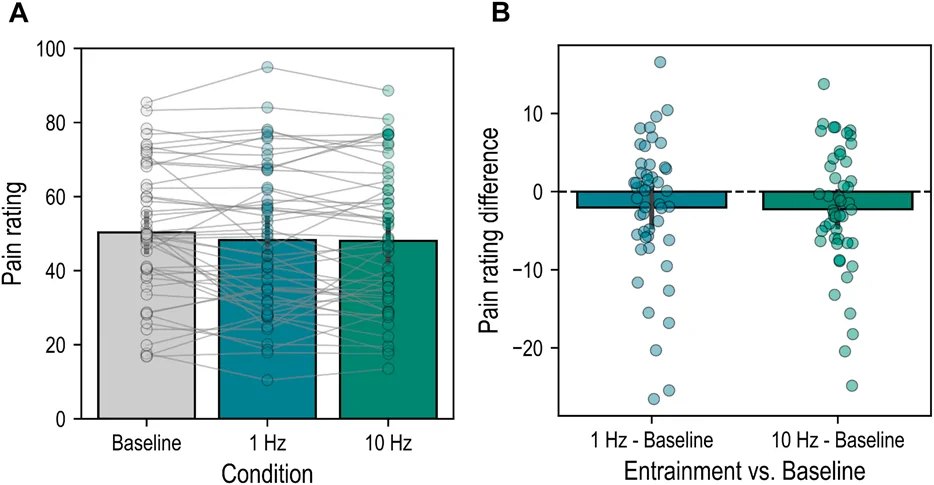
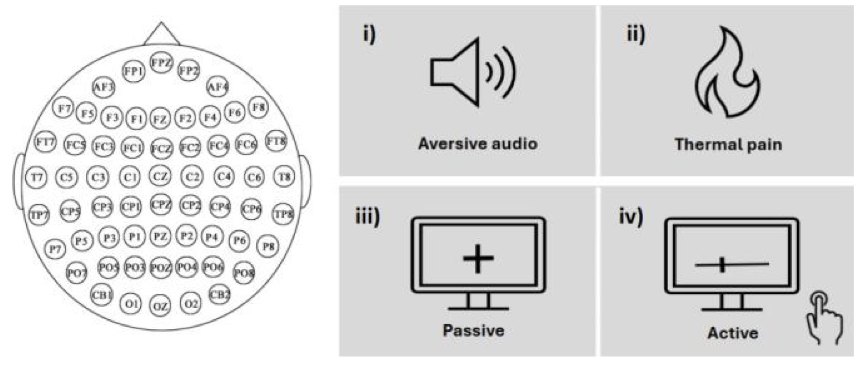
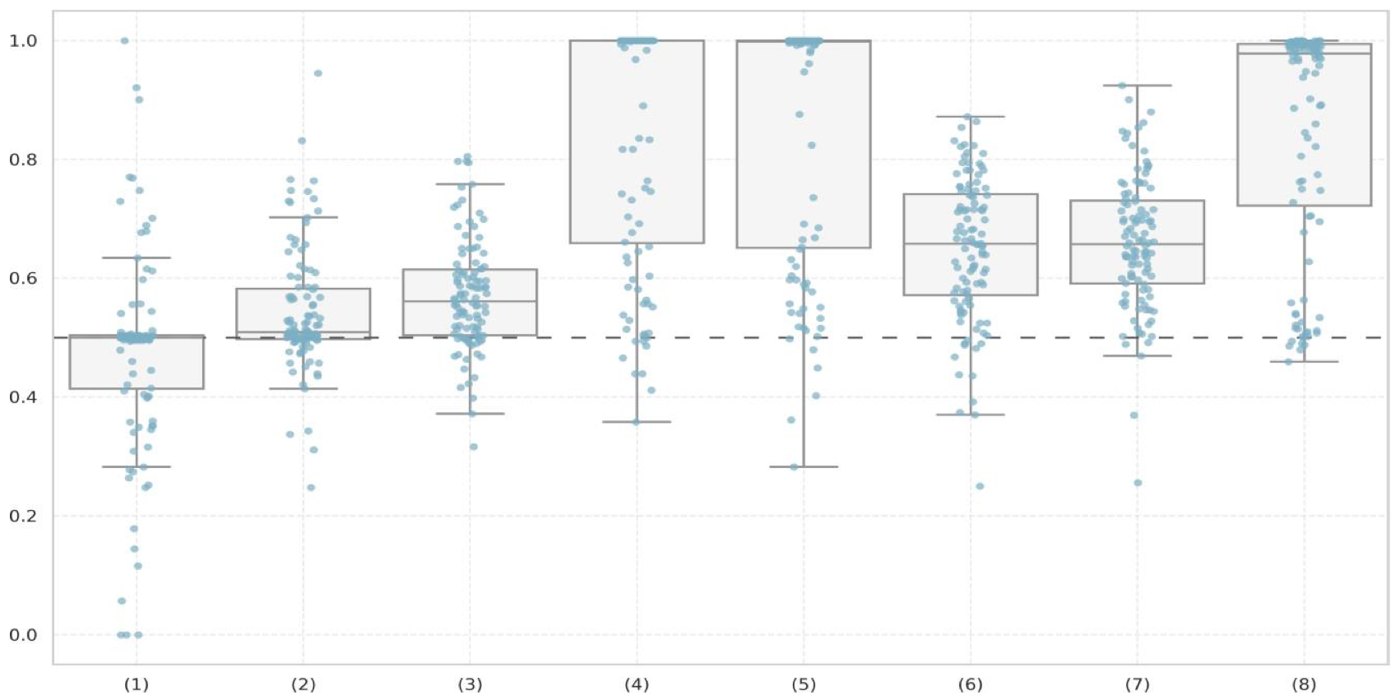
This data-driven research axis aims to identify and interpret sensitive, specific, and generalizable brain biomarkers of pain perception that can predict pain intensity across individuals and pain modalities.
Related work
- 2026A comprehensive physiological dataset of pain and aversive modalities for pain biomarkers research Upcoming
- 2026Distinct EEG microstate signatures across different pain types Upcoming
- 2026
- 2025
Current research projects
We conduct a wide range of research projects examining pain perception in humans. As part of these studies, participants are invited to complete various computer-based tasks and questionnaires, either in laboratory settings (Cirris, Université Laval, or the CERVO Neuroimaging Unit) or remotely.
Some projects may involve exposure to mild to moderately painful or unpleasant stimuli that are safe, well controlled, and always administered in compliance with current ethical standards. In certain studies, brain activity as well as various physiological signals may also be recorded using non-invasive methods.
Examples of ongoing projects
- A study aimed at developing and interpreting predictive models of pain using electroencephalography (EEG)
- A study investigating how pain perception is influenced by learning
- A magnetic resonance imaging (MRI) study examining the interaction between exploration and learning in pain perception
- A study combining two neuroimaging methods (MRI and EEG) to better understand how the brain processes pain
Examples of the equipment used
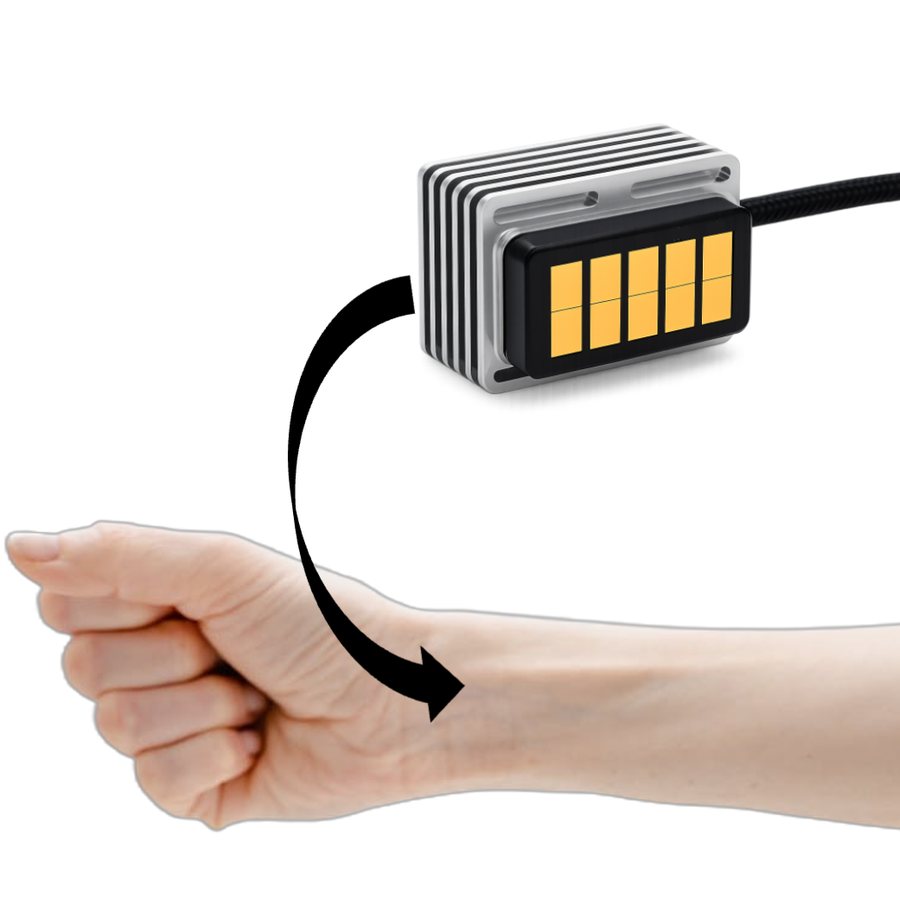
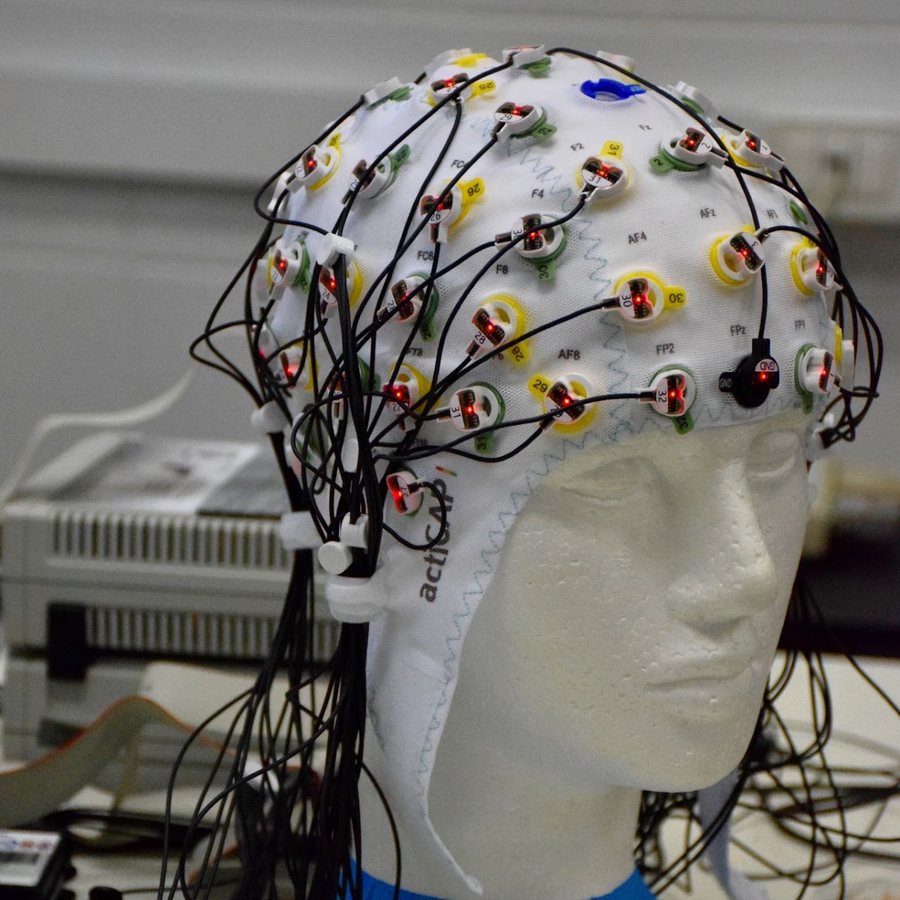
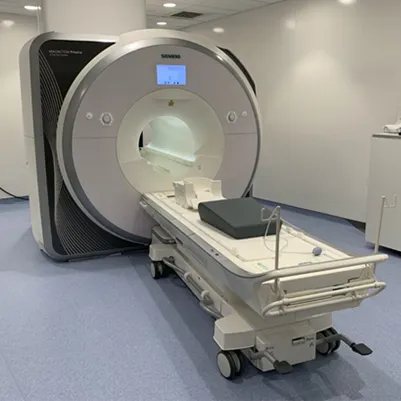
Take part in a study
We recruit volunteers for our studies on pain perception, in the lab or remotely. The stimulations we use are safe, well controlled, and always comply with current ethical standards.
The form opens in Google Forms.
Funding
These projects are made possible thanks to the support of the following funding agencies.